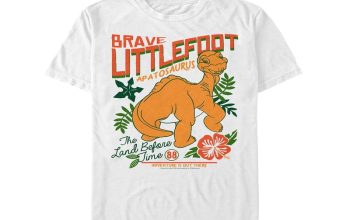
Kawaii clothes, originating from Japanese culture, have significantly influenced youth fashion worldwide in recent years. The term “kawaii” translates to “cute” or “adorable,” and this aesthetic emphasizes playful, colorful, and often whimsical designs. These clothing styles typically feature pastel colors, oversized silhouettes, cartoon characters, frills, and accessories that evoke a sense of innocence and charm. While kawaii fashion began as a niche trend within Japan’s Harajuku district during the 1970s and 1980s, it has since evolved into a global phenomenon embraced by young people seeking self-expression through unique attire.
One of the key reasons kawaii clothes resonate with youth is their ability to offer an escape from conventional fashion norms. In contrast to more serious or minimalist trends prevalent in mainstream markets, kawaii encourages creativity and individuality. Young consumers are drawn to its joyful spirit and imaginative elements that allow them to craft distinct personal identities. This form of dressing often conveys positivity and friendliness while challenging traditional gender roles by blending masculine and feminine features seamlessly.
The impact of kawaii on youth fashion extends beyond aesthetics; it also influences attitudes toward consumption and cultural exchange. Many young people adopt these styles through social media platforms where influencers showcase how they mix kawaii pieces with other genres like streetwear or vintage clothing. This fusion results in hybrid looks that appeal broadly across different cultures without losing the core essence of cuteness central to kawaii design principles.
Moreover, brands worldwide have recognized the commercial potential embedded in this trend. Retailers frequently collaborate with popular Japanese characters such as Hello Kitty or Pokémon to create exclusive collections targeted at younger demographics eager for nostalgic yet contemporary apparel options. These partnerships help spread awareness about kawaii culture globally while boosting sales through limited-edition releases.
Educationally speaking, embracing kawaii fashion allows youths to engage with cultural diversity more deeply than passive consumption might suggest. Wearing these garments becomes a way of participating in global dialogues about identity formation amid rapidly changing societal values around appearance and self-presentation.
In conclusion, kawaii clothes have transformed youth fashion by providing an alternative mode of expression centered on fun aesthetics combined with cultural significance. Their influence encourages experimentation with style boundaries while fostering inclusivity among diverse communities united by shared appreciation for all things cute. As this trend continues evolving internationally, it will likely inspire future generations seeking fresh ways to communicate personality visually through clothing choices rooted in joyfulness rather than conformity alone.